

In the intro to my Accuphase Laboratory factory tour feature story (read here), I began by reflecting on the extraordinary loyalty the company commands from ardent believers across generations. Yes, the reverence is well-earned given Accuphase’s consistent excellence across its entire manufacturing output. Plus, it’s the company’s ethos of steadfast commitment to its unmistakeable identity across generations of products that is somewhat rare in the high-end audio space. As a newly appointed stockist of this great Japanese brand, Audio Connection, downtown Leichhardt, hosted an event where three of the company’s leaders, including Accuphase founder, were the honoured guests.
Totemo Tanoshii!
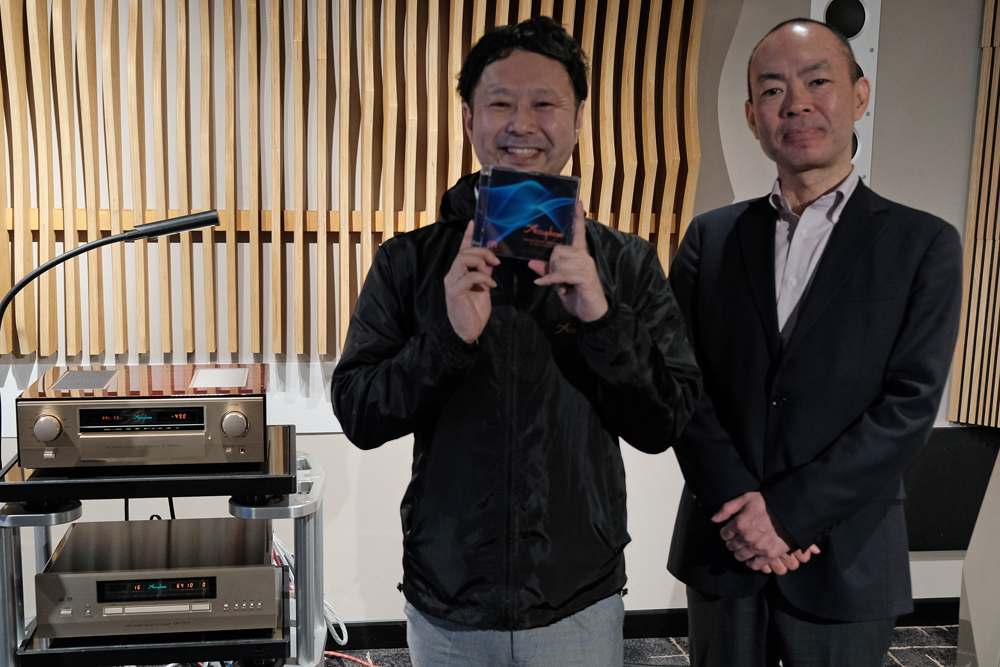
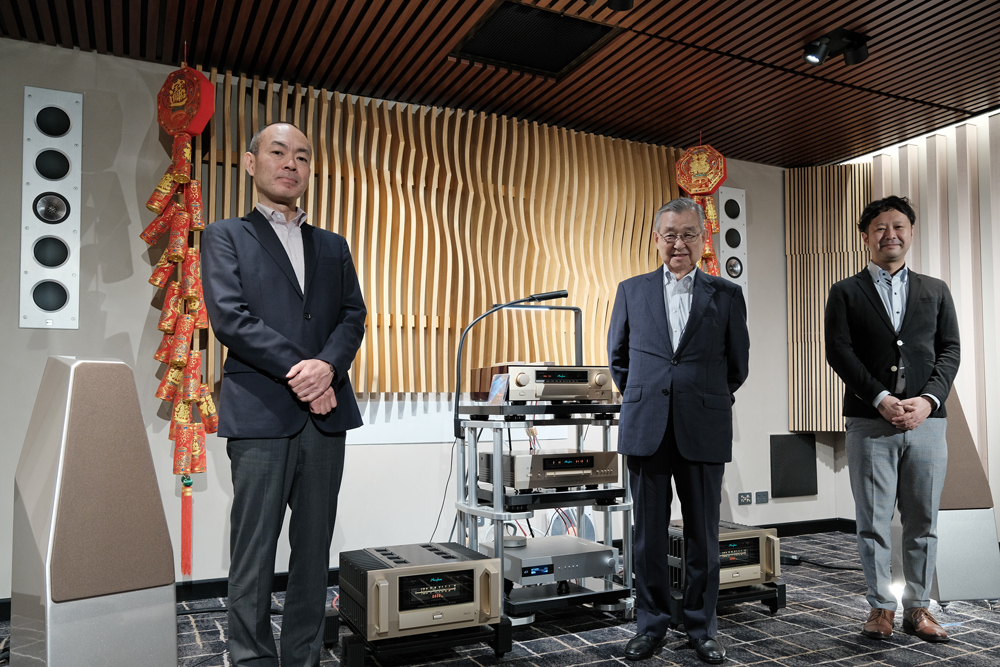
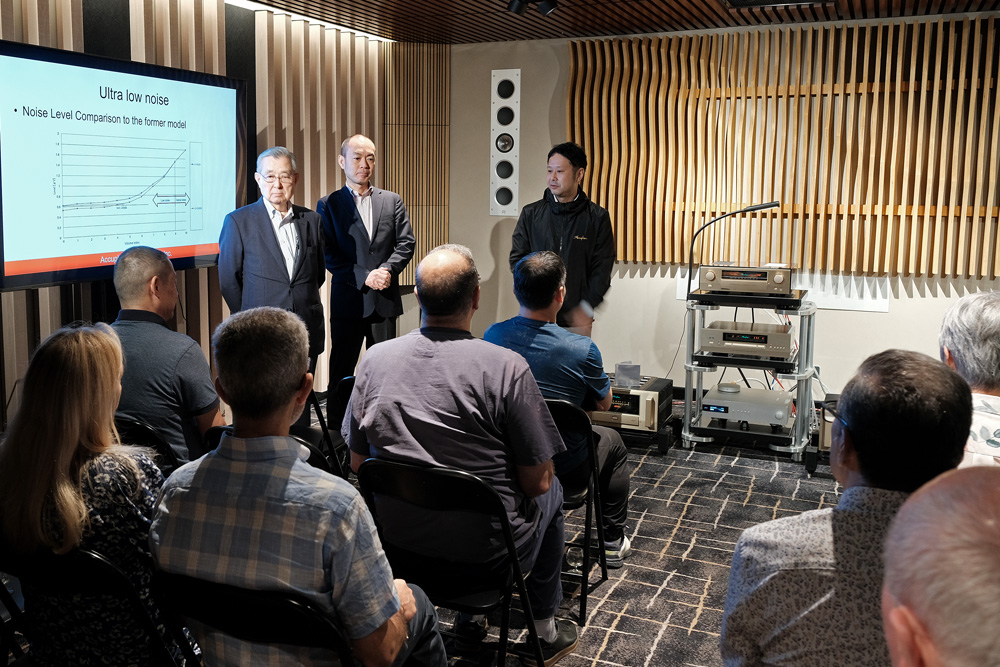
Visiting Australia for the first time were Accuphase Laboratory’s Senior Managing Director Takaya Inokuma (left on image above), International Marketing Manager Kohei Nishigawa (extreme right on image above), and visiting for the second time after nearly 50 years, company founder Shigemasa "Jim" Saito (centre on image above). Saito-san remains actively involved and, in every conversation I’ve had with him, his commitment to the company is evident, as is his passion for high-end audio and music.
I met these gentlemen at the end of last year when I visited Accuphase’s headquarters and manufacturing facility in Yokohama and it was a real treat catching up with them again on home ground (factory tour feature here).
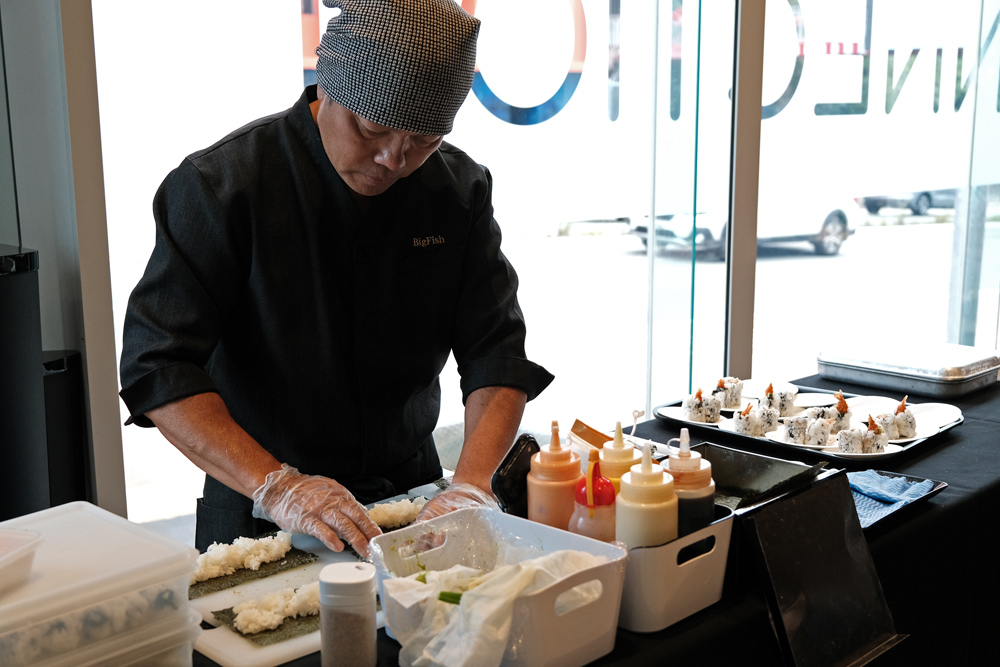
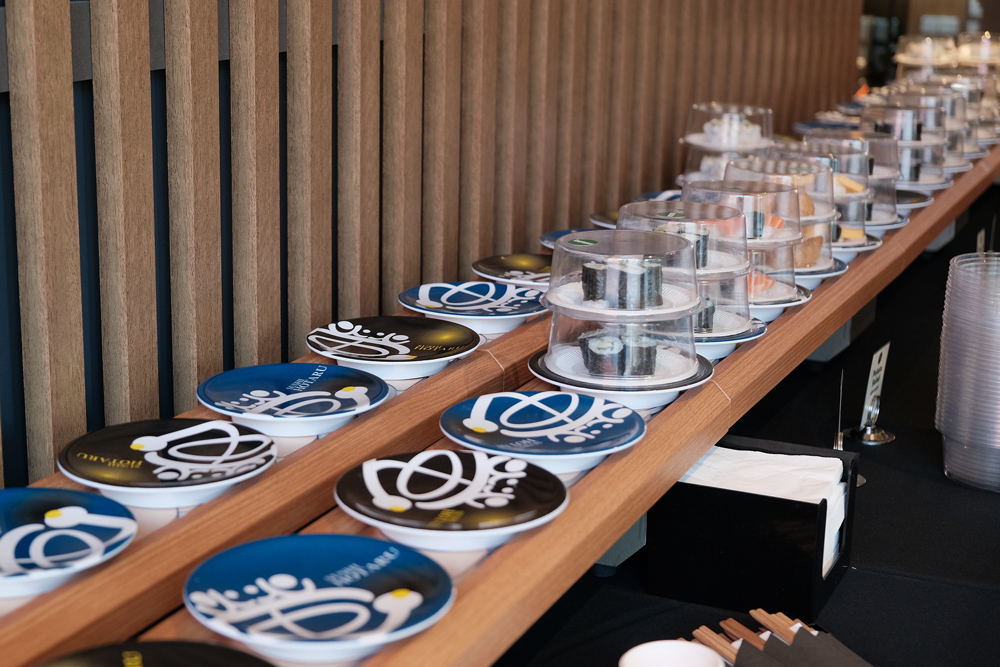
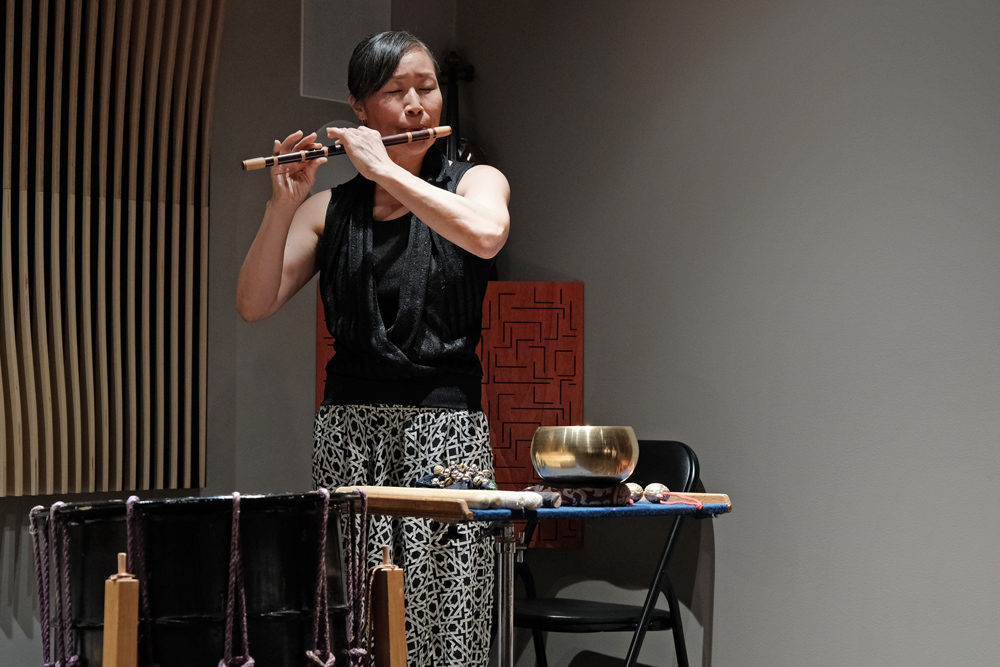
Fittingly for the Japanese theme, Audio Connection proprietor Nigel Ng infused the evening with a flavour of cultural relevance. To that end, Japanese musicians performed live on traditional instruments, chefs were brought in to prepare fresh sushi on the fly, and a selection of sake flowed generously throughout the evening.
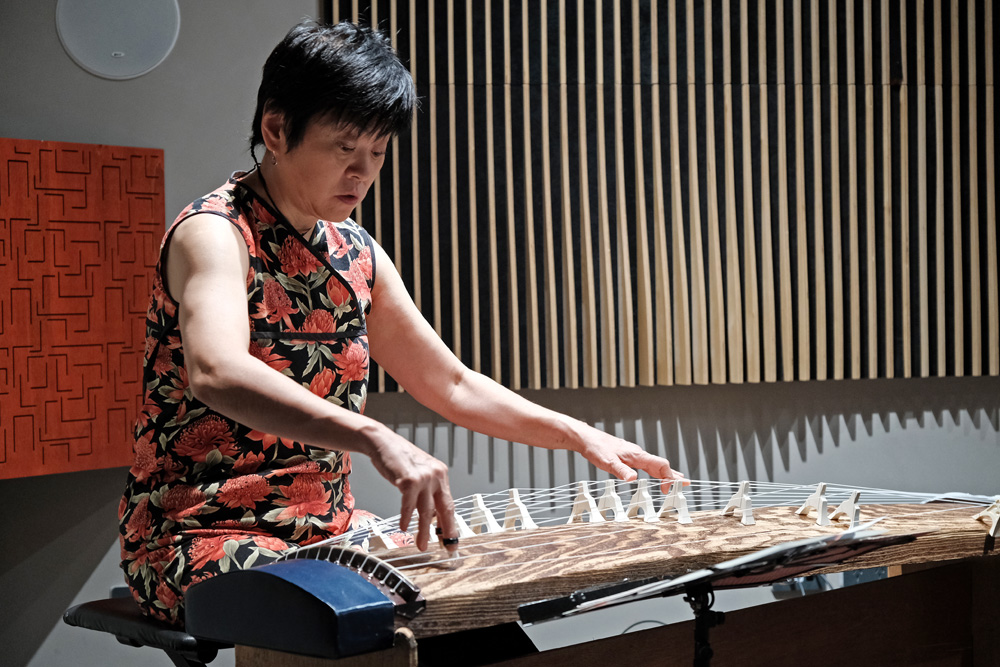
As the event progressed, the musicians went about setting up their instruments in the smaller of the studios on the upper floor. Played by Satsuki Oodamara, the koto is a type of zither, a horizontal stringed instrument with 13 long strings spanning almost its entire length. The cords are supported by movable bridges which can be shifted across the koto’s strings and body in order to tune the instrument. When played with skill, as Oodamara most certainly did, the sound is truly beautiful and the traditional music, at least for me, was deeply moving.
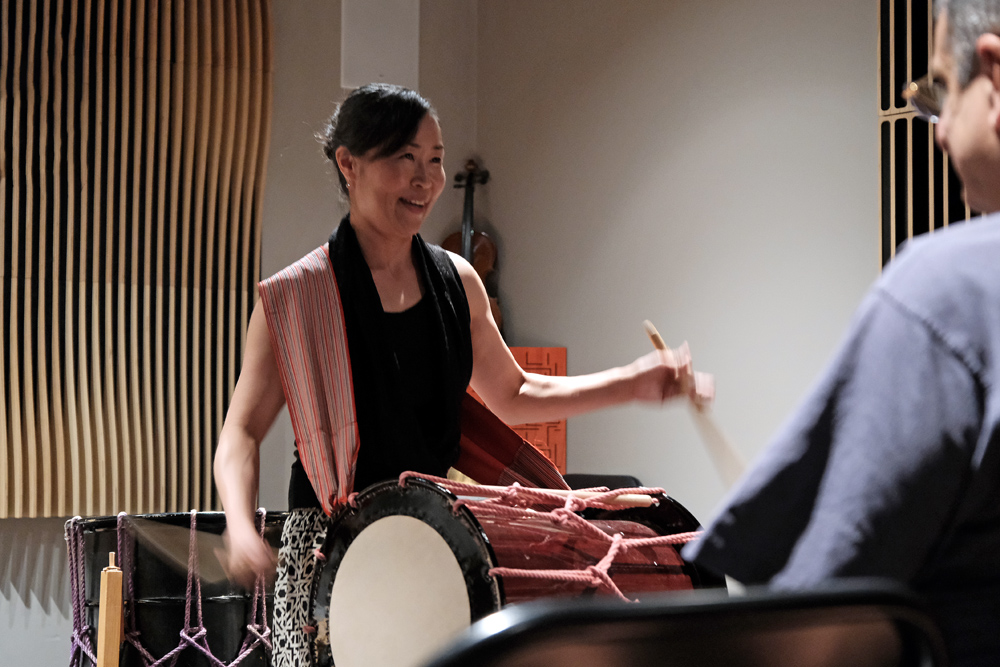
The taiko and Japanese flute were handled by Masae Ikegawa. The taiko, a tremendously powerful drum, was played with great control and wise constraint by Ikegawa, given the demonstration room’s moderate size. Even with that gentler technique, the drum sounded incredibly impactful. A little later, the taiko’s forceful energy was offset by the delicacy of the Shinobue, a type of bamboo flute, also played with great finesse by Ikegawa.
The Accumen of Accuphase
Earlier that afternoon, before the guest arrivals, I sat down with the three ‘Accumen’ Inokuma, Nishigawa, and company founder "Jim" Saito for a quick chat. I asked about Accuphase’s distinct, timeless identity and how that influenced the process of designing and engineering new products that need to continue the tradition.
Inokuma: When we design new products our first priority is improving performance and how to keep reliability or improve it. These are the most important things for a new model. Technically, engineers think about how to improve performance, sound quality, if it’s an amplifier, for example, output power might be increased. So, we carefully evaluate components, design the circuit.
We don’t change the industrial design too much. We have an iconic design. The logo must be green, the display information must be orange, the panels must be gold, the power amplifiers must have handles, things like that. We refine design for the next product production.
Nishigawa: We have blind and sighted listening sessions with the designers with new products for sound performance. But the industrial design is always classic Accuphase.
Saito: Audio is a very expensive hobby. We might keep the same products for the customers and only change five years or ten years later. We design new CD players, amplifiers but we do not change the classic Accuphase visual design. So, customers product choice can last a long time. This is very important. And consistency. For example, colour. We don’t change to silver one year, black another year. Accuphase is always gold colour. If you don’t like gold colour, Accuphase is not for you.
I asked if there is an Accuphase sound…
Inokuma: Sometimes sound changes with time, or trends. Accuphase sound now is more emotional… with more detail, more focused to realise the passion and emotion of the artists. To get that, technically, we reduce noise as much as possible, and always reduce distortion. And for new models, we compare against our reference system. Always as blind tests. If A is better than B, and B is the new model, then it goes back to our engineers to adjust the circuits to be more dynamic, or more detailed, and we repeat again until the new one is better. Then, it goes to production.
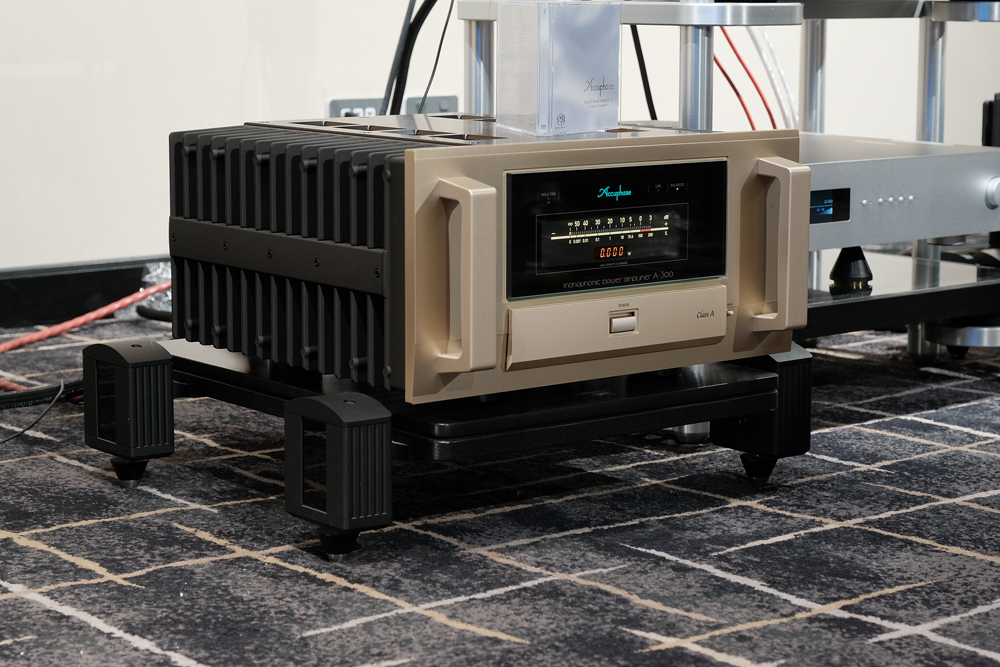
For example, the new A-300 Class-A mono amplifier. If the design team is happy with the sound, they bring me the product. I check the sound in a blind test. From my point of view, if for example, it’s more dynamic than the predecessor, than it can be approved for the next stage. On the next stage, the product goes to management and the directors’ team, and they try the blind test again. Even the marketing team goes through the blind tests. If all is OK, it goes to production. If I say no, then the design team can try again. And again. I always try to connect measurements to the sound. Sometimes the noise is lower and lower, but the sound is not better. So, we try again.
Saito: Each time the sound quality must be better. So I give the team new targets. They might say, “Impossible”. So, I say it must be done. It might be 100 dB. Next time I say, 120 dB. “No that’s impossible”. Two or three years later, they make 120 dB. Now, the new target is 150 dB. We always use the highest target.
We touched on other subjects beyond the scope of this event’s feature, however, as a final question, I asked what Accuphase considered to be the most important changes coming to high-end audio in the next five to ten years and how will the company adapt and evolve to meet them.
Inokuma: Our philosophy is that products must continue for a long time. We are considering streaming and PC audio. They have become important music sources, so now we are considering how to adopt our Accuphase policy to those products. If we make a streamer now and in five years, or ten years, the platform, or software/hardware is obsolete, we must support our customers. So, we must consider how to adopt that technology to our philosophy for Accuphase customers and music lovers.
Nishigawa: Our company’s basic policy is still the same. We are consistent from the viewpoint of engineering and company management. We keep the company at the same scale and we don’t focus too many years ahead. We focus on customers and technology and we keep the same management policy for every aspect. We keep the brand image and the quality high, the sound characteristics, the updating of technology and the customer support.
Saito: Fifty years ago, all the big companies were making stereos. The industry was expanding. Our company is small. We always make high-end products. We will always have a market for high-end.
Accurate Music
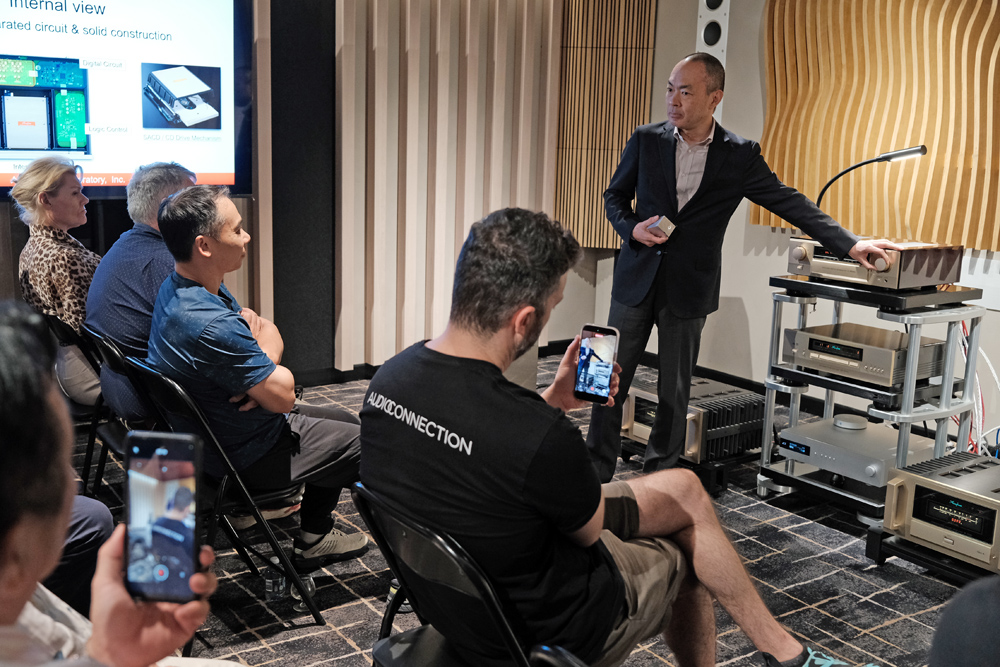
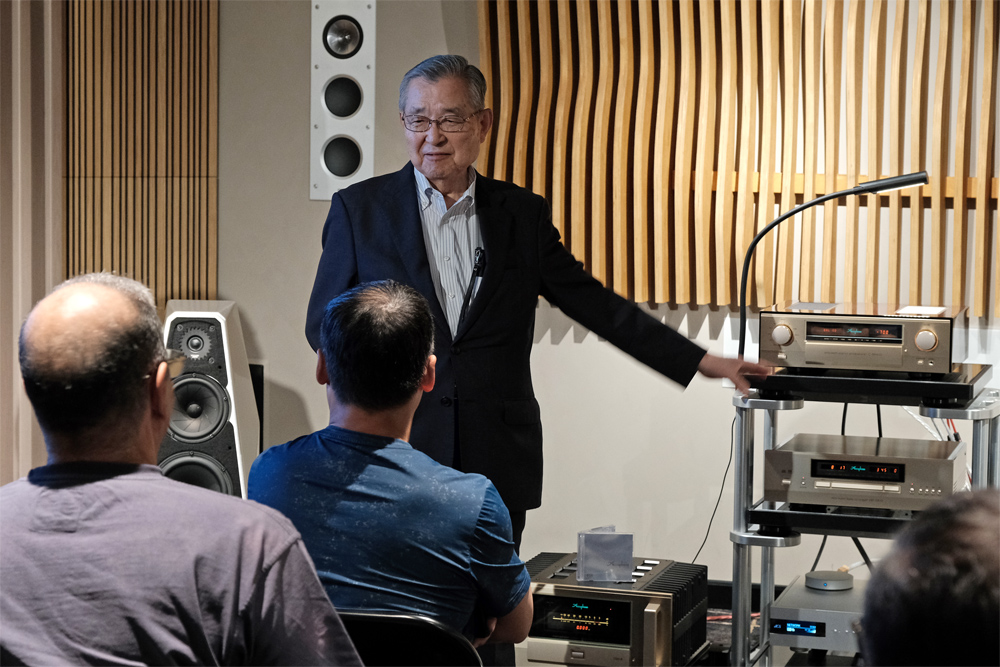
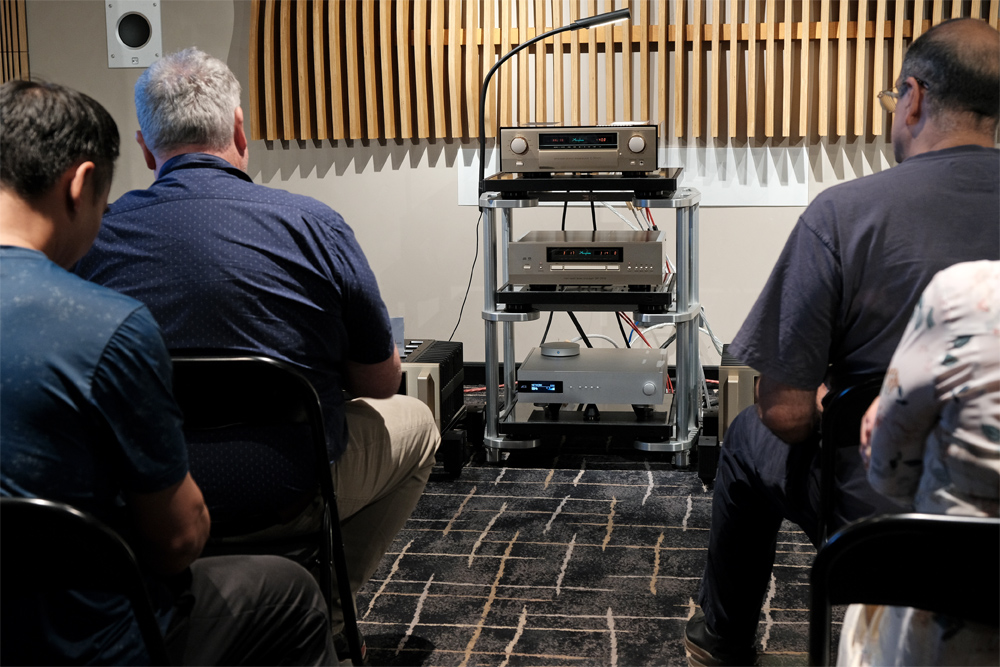
In Audio Connection’s packed-to-the-rafters main studio, the trio from Accuphase held a small presentation where they ran through some of the company’s technologies and its long-held philosophies. Subsequently, listening sessions were conducted via the system listed below, with CD being the source. Accuphase’s own sampler/music tester was employed for the tunes.
The system:
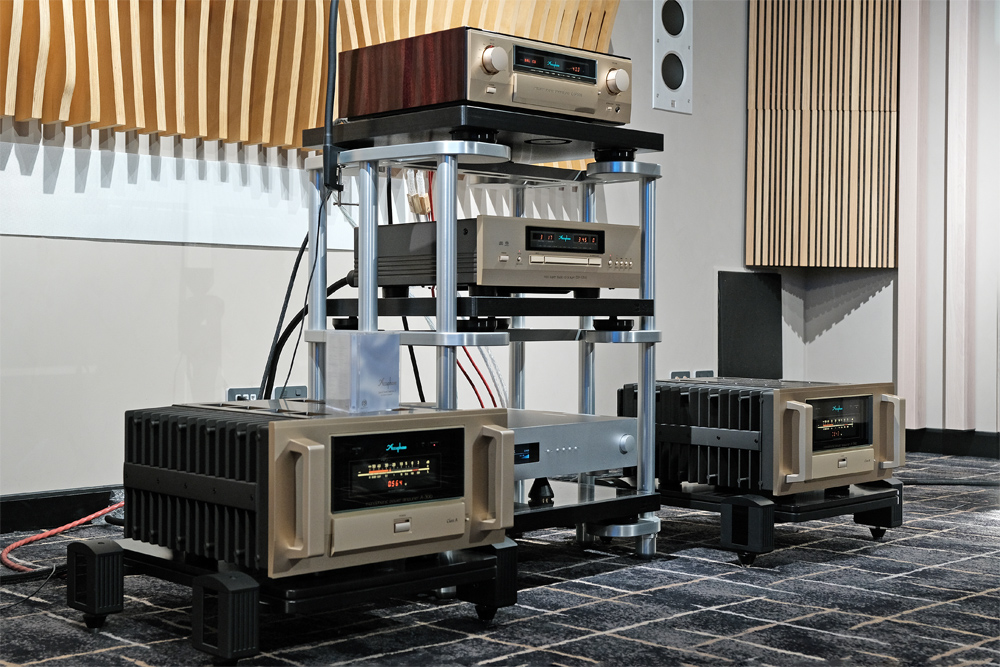
Electronics: Accuphase DP-570S MDSD SA-CD Player, C-3900S Preamplifier, A-300 Class-A mono amplifiers.
Loudspeakers: Wilson Audio Sabrina V.
Cables and Rack: Nordost and Transparent cables, HRS audio stand.
From memory, this was the first time this writer has heard Accuphase amplification mated to Wilson Audio loudspeakers. In my experience, Accuphase has previously drawn on a variety of TAD, FYNE, and Bowers & Wilkins loudspeakers (the last two used at Accuphase in the company’s refence auditioning rooms), brands not stocked at Audio Connection, ergo the Wilson Audio match-up.
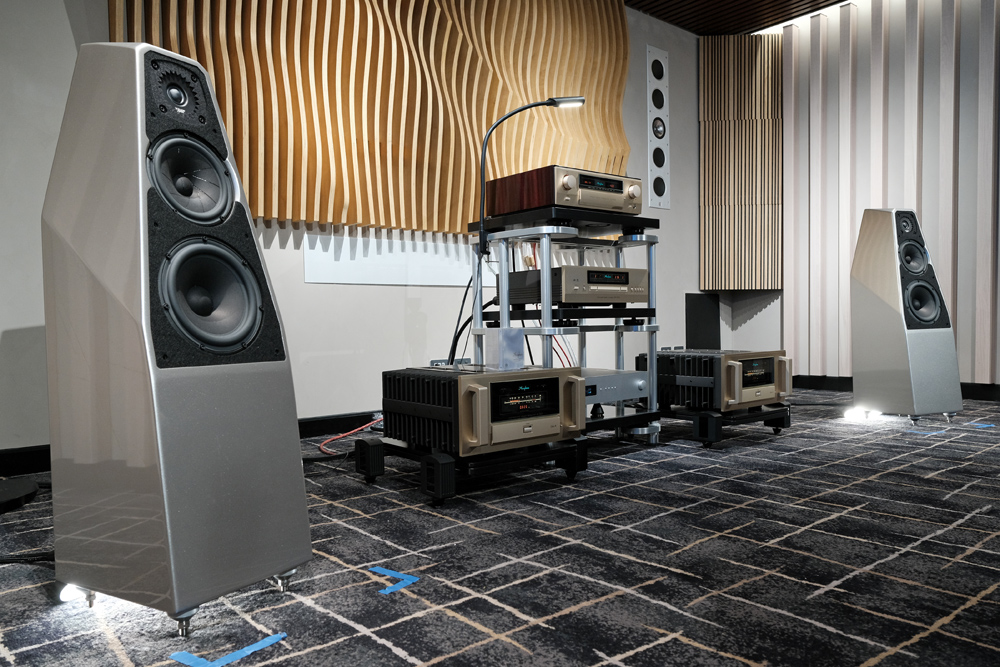
I must say, this combo cast a fresh light on a new synergistic match between electronics and loudspeakers. From my vantage point towards the rear of the room, the sound was engaging and musical, yet dynamic and detailed. Low frequency control and general attack was spot-on.
Conclusion
This latest meeting with Accuphase Laboratory leadership, whom I hold in high regard, again underscored the company’s commitment to engineering quality, longevity, and sonic refinement. To that company ethos formula, you can add a standard of customer care and product support that is exemplary.
Finally, kudos must go to team Audio Connection for its proactive engagement with the industry. The store holds events of this calibre multiple times a year and proprietor Nigel Ng’s generosity, commitment to his brands, and infectious energy stands as a positive model for Australian audio community at large.
… Edgar Kramer
This email address is being protected from spambots. You need JavaScript enabled to view it.
(SCROLL DOWN FOR EVENT GALLERY)
Accuphase Laboratory
2-14-10 Shin-Ishikawa, Aoba-ku
Yokohama City, Kanagawa Prefecture, 225-8508
Japan
+81 (045) 901 2771
www.accuphase.com
Audio Connection
515 Parramatta Road
Leichhardt NSW 2040
Sydney, Australia
+61 (0)2 9561 0788
https://audioconnection.com.au/
Gallery
 Company founder Shigemasa "Jim" Saito, Takaya Inokuma, Kohei Nishigawa